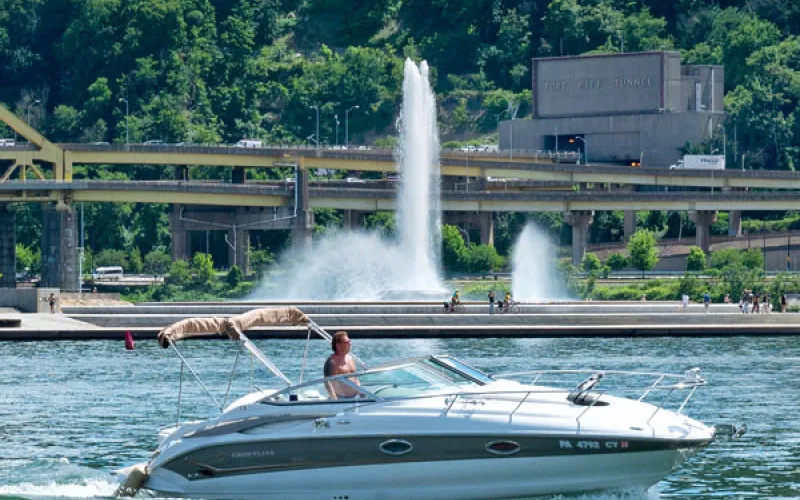
Enhance public health
Capture billions of gallons of combined sewage for treatment before it reaches our waterways.
As part of ALCOSAN’s Clean Water Plan, three new regional tunnels will capture more combined stormwater and sewage before it reaches our rivers, and carry it to ALCOSAN’s treatment plant for treatment.
ALCOSAN Digs Clean Water is ALCOSAN’s official source for current Regional Tunnel System construction information.
Allegheny County has a combined sewer system that carries both sewage and stormwater.
During heavy rain or snowmelt, the system can become overwhelmed, causing untreated combined sewer overflows to enter local rivers and streams. The new regional tunnel system will capture these wet weather flows and transport them to ALCOSAN’s treatment plant, where they can be properly treated before returning to the environment.
In a typical year, the system is expected to reduce wet weather overflow volumes by 70–75%, keeping approximately 7 billion gallons of combined sewer overflow out of our waterways.
Capture billions of gallons of combined sewage for treatment before it reaches our waterways.

Restore what belongs in our waterways, and remove what doesn’t.
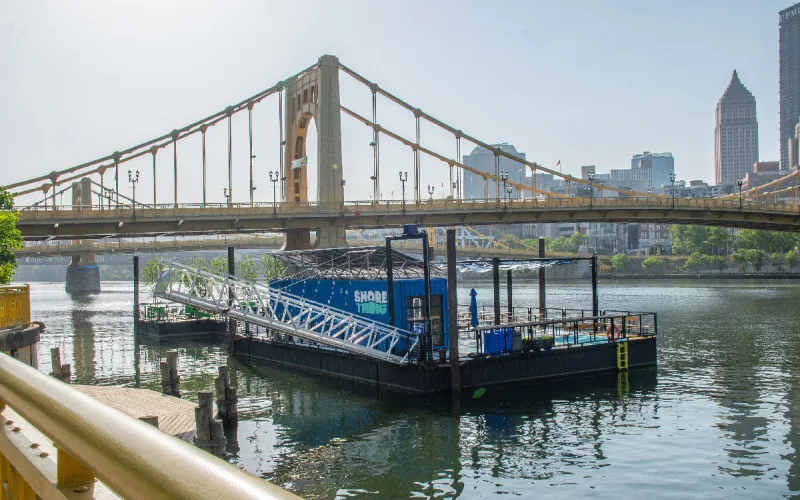
A once-in-a-lifetime project delivering once-in-a-lifetime opportunities for the region.
The Regional Tunnel System is made up of the Ohio River Tunnel (ORT), the Allegheny River Tunnel (ART), and the Monongahela River Tunnel (MRT).
The ORT is the first to move forward, laying the foundation for the larger connected system. It is being built alongside a new Wet Weather Pump Station at ALCOSAN’s treatment plant, which will move captured overflow to the plant for treatment.
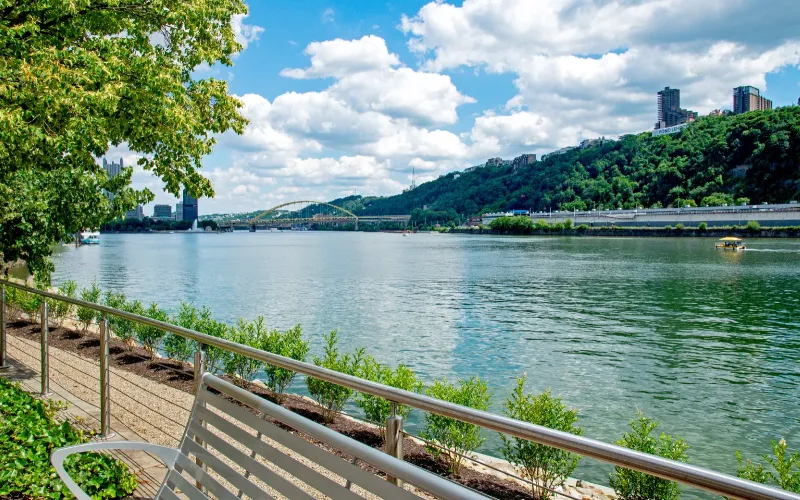
First project · Active
Reducing overflows into the Ohio River and the Allegheny River west of the Veterans Bridge.
Notice to proceed issued June 1, 2026. Construction is anticipated to be complete by the end of 2032.
Ohio River Tunnel (ORT) on ALCOSAN Digs Clean Water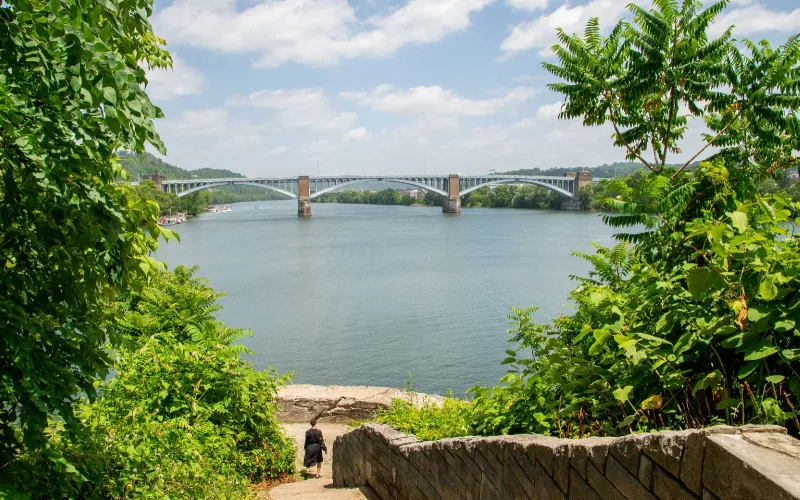
Second project · Future
Extending to the communities along the Allegheny River, from the City of Pittsburgh through Millvale, Etna, Sharpsburg, O’Hara and Aspinwall.
Will connect to the ORT near the Veterans Bridge. Design completion is anticipated in late 2027/early 2028.
Allegheny River Tunnel (ART) on ALCOSAN Digs Clean Water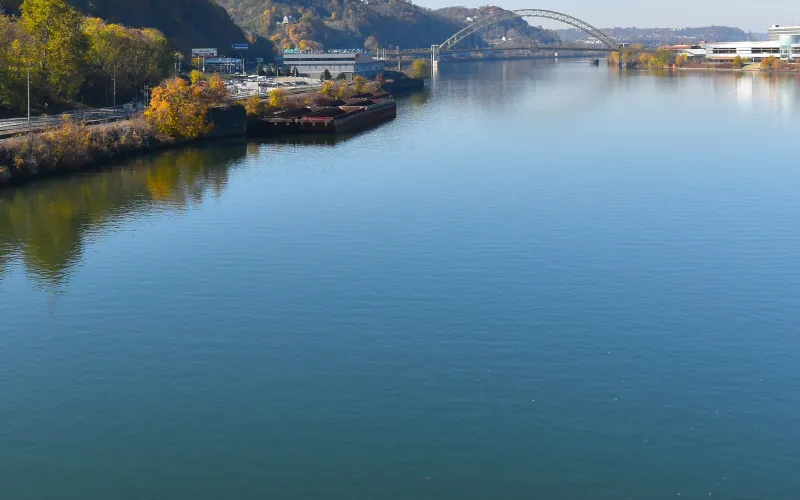
Third project · Future
Capturing overflows along the Monongahela River and completing the three-tunnel network that forms the backbone of the Clean Water Plan.
In early conceptual planning, with route options and community outreach still ahead.
Monongahela River Tunnel (MRT) on ALCOSAN Digs Clean Water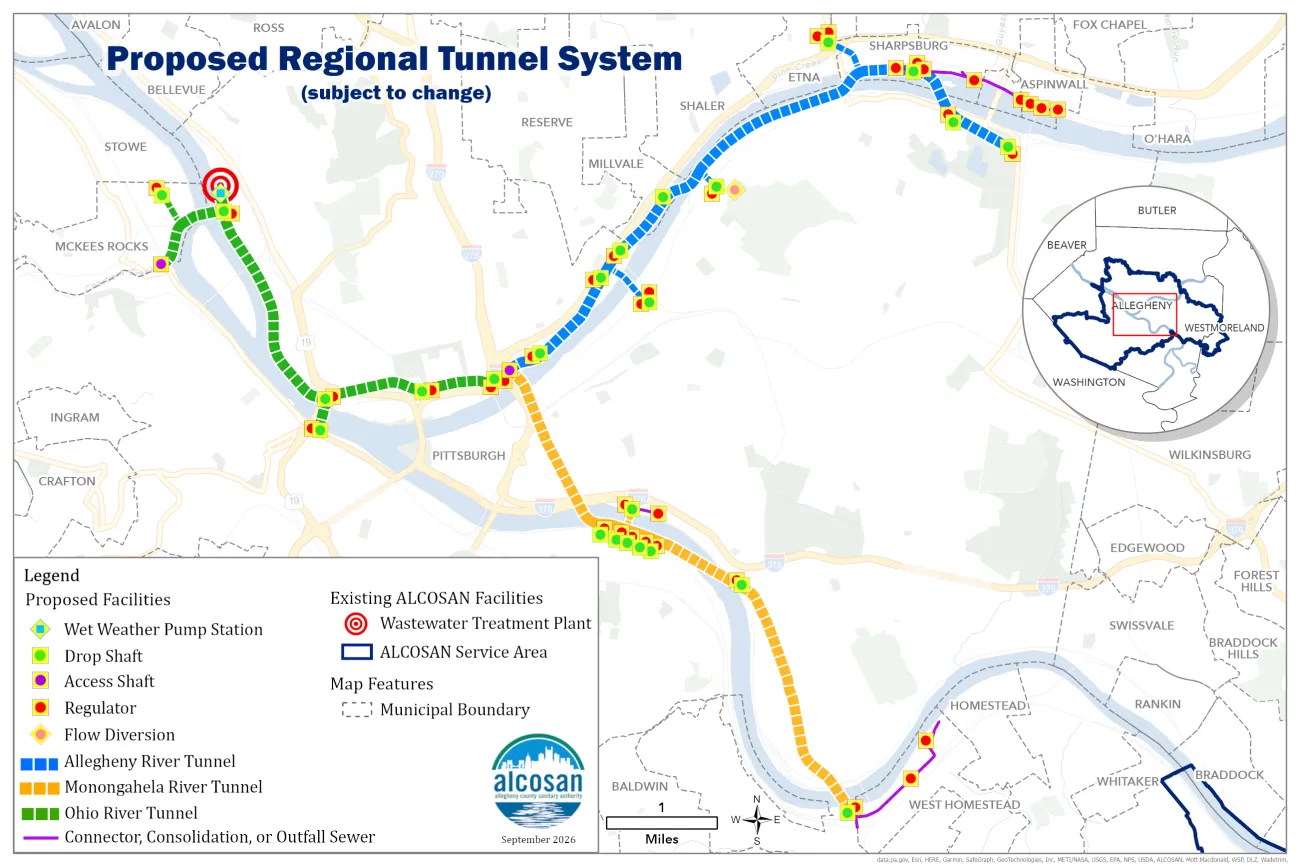
Building a cleaner, healthier future for our region.
Tunnels in the system: Ohio River Tunnel, Allegheny River Tunnel and Monongahela River Tunnel.
Job estimate from a 2026 study by the Allegheny Conference on Community Development.
New facilities will tie into the existing combined sewer system and divert excess wet weather flows away from the outfalls, moving them to the treatment plant instead.
Most of the infrastructure will be below ground, with tunnels sitting about 120–150 feet below the surface.
New regulators send the excess flow through consolidation sewers to drop shafts.
New drop shafts bring wet weather flows deep underground, through connector tunnels (or “adits”), into the new wet weather tunnel.
The wet weather tunnel conveys flows to the new pump station at the treatment plant, and also acts as storage.
Four types of infrastructure work together to capture, move and temporarily store wet-weather flow.
These facilities connect to the existing combined sewer system, which includes approximately 31 miles of deep tunnel interceptors, more than 200 combined sewer regulators and associated shafts, and 13 access shafts.
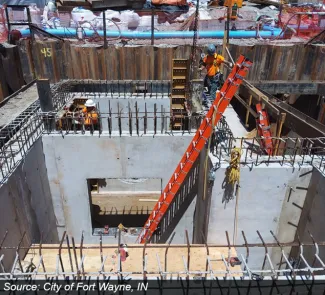
Underground structures built along existing sewers to control where sewage is sent. Normal dry weather flow continues to the existing sewers; during wet weather, flow is diverted toward the tunnel.
Sized from 6 ft × 12 ft up to 28 ft × 50 ft
Sewers that carry combined sewage to the drop shafts, avoiding the need for additional drop shafts and long connections to the main tunnels.
24–144 inches in diameter, 10–50 feet deep
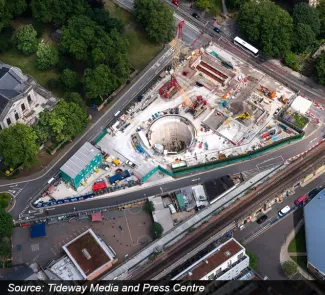
Deep, vertical structures that transfer combined sewage from the surface to the tunnels, with hydraulic features that dissipate energy as the flow drops.
About 15–50 feet in diameter
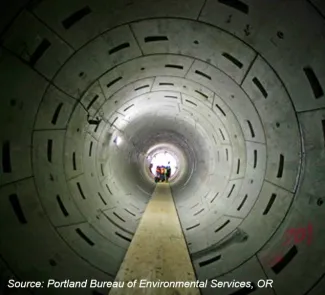
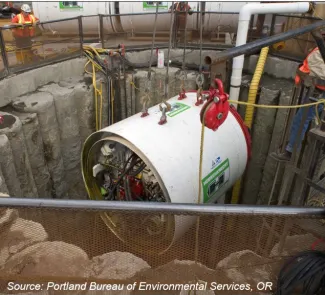
Convey combined sewage from the drop shafts to the new Wet Weather Pump Station, and temporarily store excess flow until it can be treated.
Built primarily with large tunnel boring machines
The regional tunnel system is a critical component of the Clean Water Plan, which was adopted to meet the requirements of the Federal Modified Consent Decree and to improve and protect the water quality of the region’s streams and rivers.
No. The tunnel system adds new capacity to deliver combined sewage flows to the ALCOSAN wastewater treatment plant during wet weather. The existing municipal and ALCOSAN sewers will continue to carry sewage to the plant.
No. The Clean Water Plan and the tunnel system are not intended to stop existing flooding in communities. Their primary goal is to improve and protect the water quality of our rivers and streams.
Construction at each tunnel construction site is anticipated to last between 2 and 5 years. Overall, the program will span 15 years.
Some traffic impacts are expected, and they will vary by site. ALCOSAN is preparing a Maintenance and Protection of Traffic Plan for each site to minimize disruptions, and will provide advance notice of impacts, construction alerts and alternative routes. See Closures & Impacts for current road closures and detours.
Subsidence is not a concern along the ALCOSAN tunnel alignment because the tunnels will be located deep in bedrock.
The new tunnel system is designed to last at least 100 years. ALCOSAN operation and maintenance staff will maintain it, accessing the tunnels through the access shafts.
Sign-up to receive the latest announcements, progress updates, construction alerts, and more related to the new Regional Tunnel System.