Terrarium in a Jar
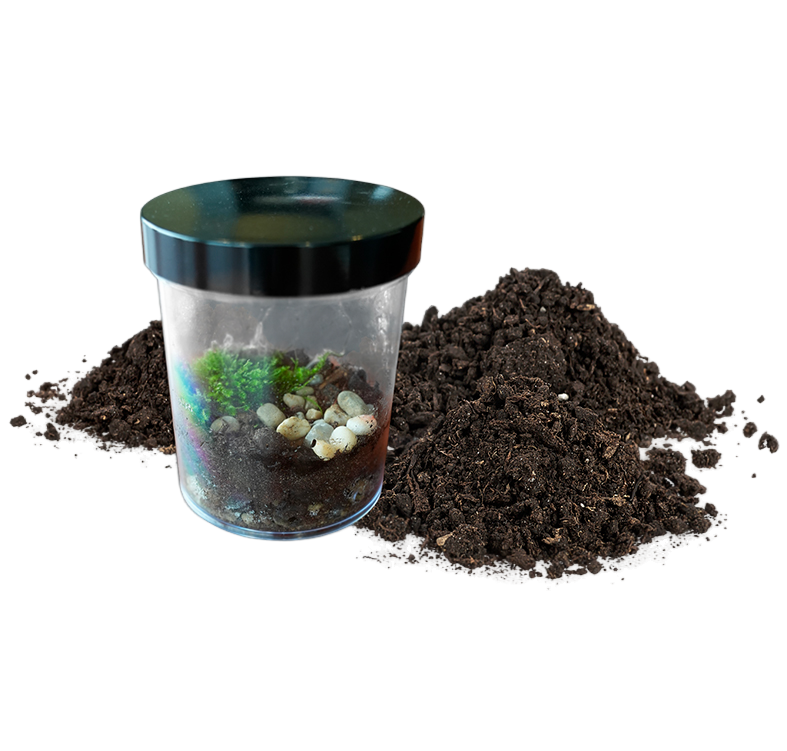 What happens when you create a tiny world inside a jar? With this fun, hands-on STEM activity, students can build their own miniature ecosystem using soil, rocks, moss and small plants. Watch the water cycle in action as water evaporates, forms droplets on the glass and falls back into the soil. It's a creative DIY science experiment that explores plant growth and how living things interact with their environment.
Fun Facts/Information:
- Inside your terrarium, water evaporates, turns into tiny droplets on the glass, then falls back down like rain - just like the water cycle outside.
- Plants need four things to stay happy: sunlight, water, air, and nutrients from the soil
- Plants breathe too! They take in carbon dioxide and give out oxygen, which is the air we need to breathe. So, plants are like little air factories for us.
- The world's oldest terrarium was created in 1960 and hasn't been unsealed or watered since 1972!
- Bamboo is the world's fastest growing plant - it can grow up to 3 feet in a single day!
Learning Objectives:
- Students will create a model ecosystem that displays the water cycle in action.
- Students will observe plant growth and describe what plants need to survive.
Materials:
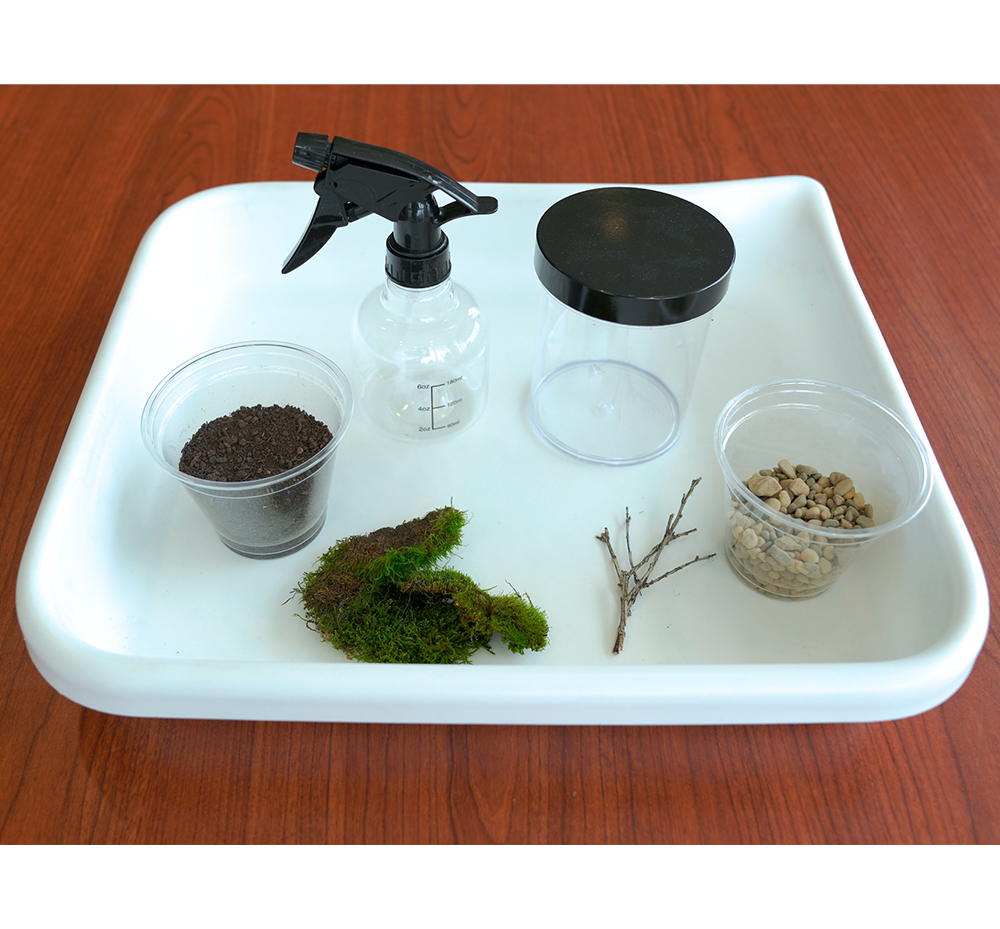
- Clear glass jar with a lid (like a mason jar or recycled food jar)
- Small rocks or pebbles (you can use rocks you find outside)
- Soil from your yard or garden
- Moss or small plants you find outside
- Recommended: spray bottle
- Optional: twigs, leaves, small toys, etc. for decoration
Safety Considerations:
- Make sure to wash your hands after touching soil, rocks, or your plants!
- Always make sure an adult is present to help you collect materials and build your terrarium.
Procedure:
- Collect Materials
- In your yard or garden, collect some soil, rocks, moss, and any decorations you want.
- Don't take more moss than you need - it grows slowly!
- Note: If you can't find these materials in your yard, you can purchase them at a local garden center or nursery.
- Prepare workspace
- Wash and dry your jar. Lay down some newspaper or an old tablecloth - this project can get messy!
- Add rocks
- Put a layer of small rocks or pebbles at the bottom of the jar to help with drainage.
- Add soil
- Scoop in a layer of soil - fill the jar up about 1/3 to 1/2 full. The soil has nutrients the plants need!
- Add plants
- Place your moss or small plants into the soil and gently cover any roots.
- Hint: try selecting small mosses and plants that live in shady areas.
- If purchasing plants from a store, choose tropical plants that prefer moist, low-light environments. Avoid cacti and succulents.
- Place your moss or small plants into the soil and gently cover any roots.
- Decorate
- Add twigs, leaves, or other items to make your terrarium look how you want.
- Water lightly
- Mist the plants with a little bit of water - don't soak them!
- If you don't have a spray bottle, use a spoon to sprinkle a bit of water in your terrarium.
- Close and place
- Tightly close the lid on the jar. Place the jar in bright, indirect sunlight.
- If you don't have a lid, you can stretch plastic wrap over the opening of the jar and secure it with a rubber band.
- Observe and enjoy!
- You usually won't need to water because the terrarium recycles its own water through the water cycle (evaporation, condensation and precipitation).
- If the soil looks dry after a week or two, add a tiny amount of water. Don't overwater - it can cause mold. If there is too much water, leave the lid off for a day.
- You may see some bugs in your terrarium - that's okay! They are part of your tiny ecosystem. But, if you see too many or they start eating your plants, you can open the jar outside and gently remove them.
Discussion Questions:
- What are some things that your plant needs to survive? Does your terrarium have all these things?
- After a few days, what do you notice on the inside of the glass?
- What would happen to your plant if you left the lid off your terrarium? Why?
- What do you think the bugs (if any) are doing in your terrarium? Are they helping or hurting your plants?
Extensions:
- Keep an observation journal. Draw or write your observations weekly to see how your terrarium changes.
- Add a few seeds (like bean, pea, or wildflower seeds) to your terrarium. Do they sprout? Do they grow into full plants?
- Make another terrarium with different types of plants. See how well they grow compared to your first terrarium!
Quick Links

Where are Activities Available?
We partner with over 600 educational organizations.
See our school locator